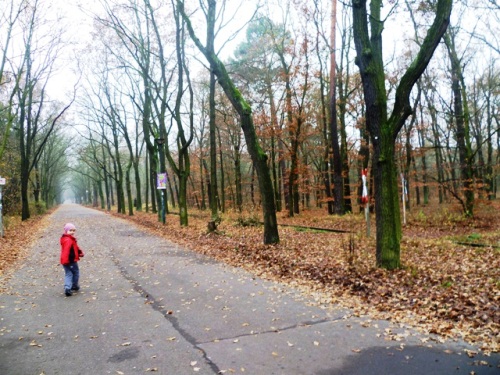
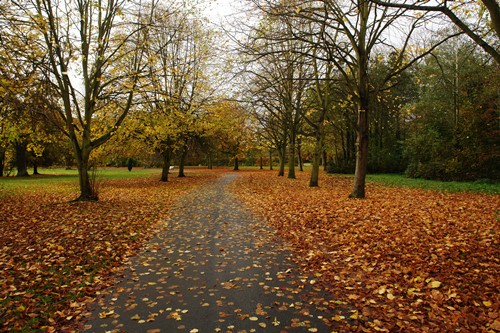
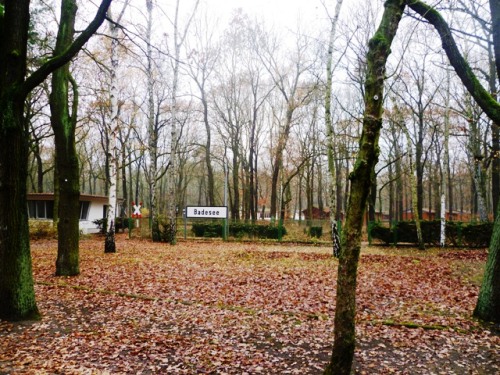
People like to moan about the winter here in Berlin. From about the middle of September, or whenever the supermarkets break out the Christmas chocolate – whichever comes first – the grumbles of a city fully used to an expecting sixth months of grey skies, dark afternoons and cold, cold, cold temperatures begin to sound. When it finally comes, with the first cold snap of minus temperatures or the initial dumping of a load of snow that sends taxis sliding down the street and kids temporarily insane with the possibilities, people walk hunched and huddled against the biting winds that come, of course, from Russia, and look for sanctuary in the cozy cafes or the warmth of their own apartments. I think it is why Christmas is such a big deal, bringing light, cheer and mulled wine to the streets that lifts the mood for a month or two before it is all of a sudden January and – then – most brutally of all, February. Somehow the shortest month of the year always feels the longest.
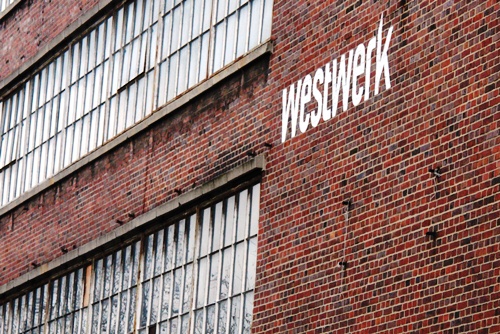
Street culture in Plagwitz, Leipzig
Whenever we get the chance we head south from Berlin to Leipzig, only an hour and a half away by train (unless you like to take the more leisurely route), where we have good friends to visit and the added bonus of one of my favourite cities in Germany. Normally we spend most of our time in the slightly-beaten-up but increasingly trendy neighbourhood around the Karl-Liebknecht-Straße south of the city centre, which is where our friends lived and which, with its combination of cafes and bars, semi-squatted cultural centres, and mixed population, reminds both Katrin and I of the Prenzlauer Berg of ten or more years ago.
This time we were taken west, not to the old industrial neighbourhood of Schleußig – which is also well worth a visit – but to Plagwitz, which was hosting one of their quarterly “Westpaket” events, which combines handicrafts and fleamarket stalls in an old iron and steel works and along the Karl-Heine-Straße, but also readings, performances, concerts and other cultural offerings. We entered the market through a anarchist travellers site parked up alongside the canal on a patch of wasteland, which was certainly a singular way to arrive, before we stepped into the vast industrial hall to explore what goodies the creative folk of Leipzig had come up with.
A slow train through the snow
We want to get home, to our attic apartment and the Christmas tree, but as we leave our friends’ house in Leipzig the snow that has been falling since early morning is coming down ever heavier, and at the tram stop the electronic board keeps shifting, first five minutes, then six, then four, then six again, and it is only when we see two headlights appear through the near-blizzard that we are sure we will even make it to the train station. The tram itself is packed and steaming, a wet dog smell and slush rapidly melting at our feet, and it creeps forward through a city where visibility is down to a couple of metres. Finally the station appears, looming above us, and we brave the crowds and the gathering of smokers who stand, huddled around the warmth of their glowing cigarette tips, towards the platforms and the slow train north to Berlin.
The Lorry-boat Shrimpers of Southport
By Chris Hughes:
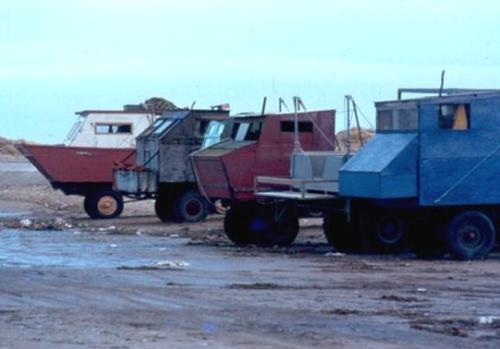
Driving along the coastal road into Southport from my home in Ainsdale I pass a motley collection of vehicles parked up on the beach. Half lorry, half boat these are, or rather were, the shrimpers of Birkdale. The photographs in this article were taken 10 to 15 years ago and there are fewer and less interesting vehicles left now. Although shrimping is still carried on it appears to be largely tractors employed in the process today and far less people are engaged in the activity.
A brush with Istanbul
By Katrin Schönig:
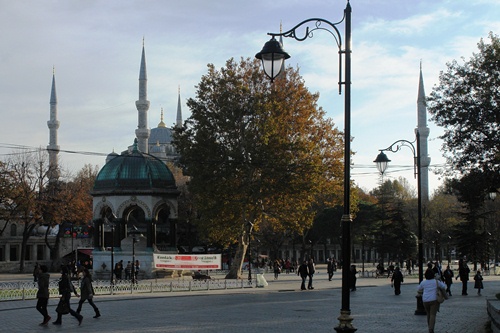
I did not have long in Istanbul, little more than scratching the surface as I was in the city for work, but the short time I had convinced me that I want to return, to delve deeper into a place where the mix of the traditional and the modern is so inspiring. You walk through the streets, and watch people rush into the nearest Gucci store as the call to prayer sounds from a nearby mosque. In the Grand Bazaar the vendors are sitting on their small chairs, sipping one tea after the next, all the while talking quickly into their mobile phones. Istanbul is so alive, and at the same time packed with fascinating history.
Songs of the grillman, Croatia
Memories of a trip to Croatia:
“When we get around this corner, I promise… something you will never forget.”
We are rounding the southern tip of Kornati Island. Gradually a cove appears, surrounded by rocky hills that fall steeply into clear, turquoise waters. We see masts of a number of sailing boats. A couple of houses around a small harbour. Small fish swim alongside the boat, just under the surface of the water. Smoke rises from a chimney. We’ve reached our mooring for the night.
According to Darko, the skipper of our hired boat, this is the only way to reach the Restaurant Opat, unless you fancy an epic hike across the rubble-strewn moonscape of the island. The island looks as if it is exactly how nature created it, although we learn later that it was once covered in forest which was burned down to create grazing land for sheep. Stone walls that hemmed them in remain, oftentimes the only sign of human life. The sheep have long gone.
The German Forest and the photography of Michael Lange
Michael Lange
Wald #2016
2010
Archival pigment print
© the artist
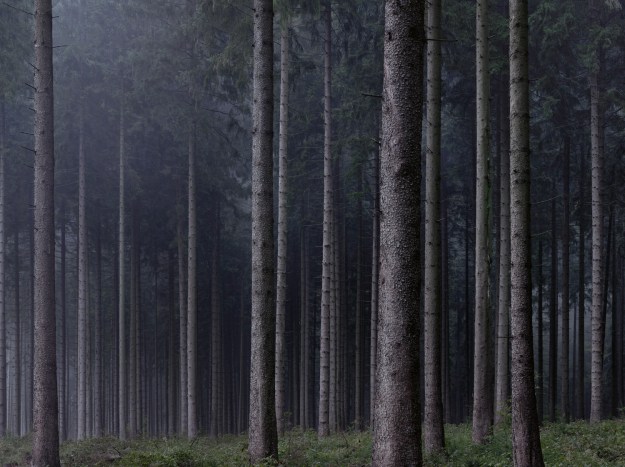
With Under a Grey Sky being based in Berlin, and Berlin being in Germany, it is probably not surprising that the forest has been something of a theme during this the first year of the website. Those who have visited Berlin and arrived in the city by plane will have seen how the forests, dotted with lakes, make up much of the hinterland, and indeed, within the city itself. After all, how many city states have their own forestry department? But Berlin needs one, as the forests that the surround the city pay no heed to official boundaries, and even in parts of the Tiergarten – Berlin’s central park right in the centre – it is possible to lose yourself in the trees. With no mountains or coast for miles around, it is a walk in the woods that is the normal escape from the bustle of everyday life.
A walk along the Panke, at the edge of winter
A few Saturdays ago I was invited north from our (west Berlin) neighbourhood of Wedding to the north, and our friends in the (east Berlin) district of Pankow. These two once stood on opposite sides of the wall, but even through those long years of division they were linked by the bridge on the Bornholmer Straße, which would be the first breach in the structure on that famous November evening in 1989, as well as the waters of the Panke that run south from its source just beyond the Berlin city limits, through Pankow to Wedding and eventually into the River Spree. It also runs past our house, so it seemed like the most logical (and traffic free) way to head north, following the footpath and the neatly painted signs that mark the route of the Panke Way.
Once a park for Pioneers, Wuhlheide – Berlin
Katrin takes Lotte to the FEZ in the Wuhlheide, south-east of Berlin city centre. The park is quiet on this November weekend, although in the main hall kids crowd around the arts and crafts tables or wait, patiently or otherwise, for the play on the stage of the Astrid Lingren Theatre to begin. When Katrin first came here, as a child herself, this was the Ernst Thälmann Pioneers’ Park, inaugurated by the first President of the German Democratic Republic in 1950. It was the location for the 3rd World Festival of Youth and Students one year later, and again for the tenth edition in 1973. By that point it had grown from the original tent village to a facility including an open air stage, a sports stadium and indoor activity rooms… tens of thousands of children who grew up in East Germany came to the Pioneer Park each year. Most of attractions that Katrin enjoyed as a child are still there for her daughter, from the playground and forest trails, swimming pool and stages for different events and shows. The railway still runs – although it is no longer operated by the Pioneers themselves, for they have all grown up now and are bringing their own children to the park, to find their own adventures beneath the trees.
A Belfast Diary
We have been back from our trip to Belfast for a couple of weeks now, and alert readers will have already seen a short piece on a walk to the Black Mountain with its wonderful views out across the city and beyond. More on that in a moment. We had a week in Belfast, four years after our last visit – which itself came after a string of annual, autumnal trips that all seem to blend together in the memory. So it is hard to remember exactly when, during the period of 2005-2008 that we went on the walking tour up the Falls Road, explored the murals of West Belfast, wandered amongst the chaos of the Halloween celebrations in Derry, or got out of town to a windswept and beautiful stretch of the Donegal coast…