Monthly Archives: August 2016

On the edge of the New Venice, Berlin

NV1

What is it about Venice that draws so many visitors to its islands and canals, that has so many writers and artists searching for inspiration, that captures the imagination of even those who have never been to the city? Jan Morris, who wrote a whole book about the city, described it as “the loveliest city in the world, only asking to be admired.” I am not sure. On my one and only visit I was distinctly underwhelmed. But perhaps I had been expecting too much. The idea of Venice still appeals. A city where the streets are water. A city seemingly floating in the lagoon. And Venice has inspired many imitators. There are New Venices to be found here, there and everywhere. It has been recreated in Las Vegas. It has been recreated, kind of, on the southern fringe of Berlin.
Continue reading

Feels like coming home? (Rotterdam to Hull)

Ferry1

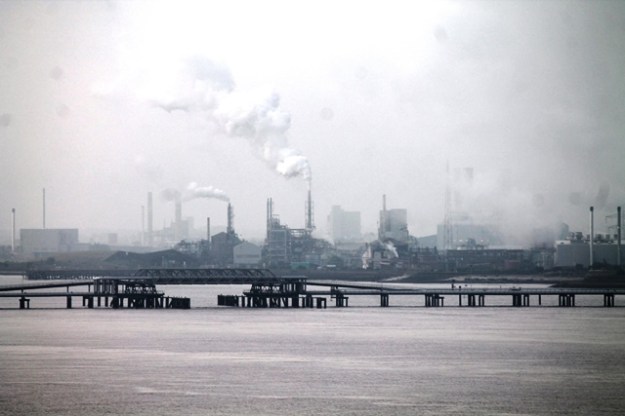
The journey began before we even caught a glimpse of a boat, a ship or a patch of water, let alone the open sea. The motorway, having swept across flat fields, canal-flanked and criss-crossed, now swung around Rotterdam and – beyond the pylons and the billboards, the railway wires and a raised bike path that might be a dyke – the first cranes of the Port of Rotterdam appeared against the skyline. It is the largest port in Europe, a fact that I knew and yet was unprepared for as we seemed to drive for ever past a procession of container yards, refineries, warehouses, yet more cranes and – finally – the first glimpse of ships flying flags from all around the world.

At the terminal for the ferry to Hull we stood in line as the ship loomed over us, above the waiting room for foot passengers (there were not many) and the wire fences that kept us all in place while advertising the sun-faded glories of the East Riding of Yorkshire to the travellers about to head across the North Sea. A family kicked a football across an empty patch of concrete. Motorbike riders compared horsepower and routes. Cyclists compared panniers and aching legs. We walked down the line and counted the numberplates.

GB. D. F. B. DK. NL. White letters on a blue background, surrounded by stars.

Continue reading

The tram to Hohenschönhausen, Berlin

Tram_1

On the corner of Prinzenallee and Osloer Straße I wait for the tram, standing on the platform of the stop between the currywurst Imbiss where they grade their sauces by how red it will make your face and the old pub on the corner that was a den for serious drinkers when we first moved to this neighbourhood five years ago but which now sings over its polished wooden tables as the canary in the coalmine of gentrification. Except, as I wait for the tram and look down Prinzenallee, past the pub towards the Spielothek and its slot machines, towards the Späti with used mobile phones in the window and the line of kebab shops, halal butchers and shops advertising cheap calls home to wherever home may be in this neighbourhood with the highest number of foreign-born residents in the city, I can’t imagine that you could gentrify Gesundbrunnen. It was once a spa town, north of the city. Then came the railways and industry and then the bombs of the Americans and the British and as the Berlin Wall cut it off from its southern and eastern neighbours the industry had long fled, never to return. The printworks is a cultural space. The factory on Osloer Straße is a children’s museum. The bus depot is a dance studio. The queues at the unemployment office are long.

Here comes the tram. It is an imposter, one of the few lines in this city that breaches the old East-West border. Look at a tram map of the city and it is like the Berlin Wall never came down. But it did, the first hole opening at Bornholmer Straße in November 1989, across the bridge that the tram I am waiting for will soon take me as I travel from Gesundbrunnen into Prenzlauer Berg. The bridge rises up, over the top of the railway lines and past the allotment gardens and the Lidl supermarket where the checkpoint once stood. Into the east, towards my destination. Continue reading