
A time to breathe. For the first time this year, there is nowhere I need to be other than Berlin or our little yellow house on the edge of the village. I wonder: will there be anything to write about for this journal, as the days shorten and the time spent at my desk increases? The year that stretched out, so full and bloated with plans even in the early weeks of the year, is now racing towards its conclusion. Should I be looking back when there is still a sixth of the year still to go? November does that to you. And there is one conclusion about 2024 that I am already sure of: I spent much of my time working with friends, which is all you can really hope for.
*
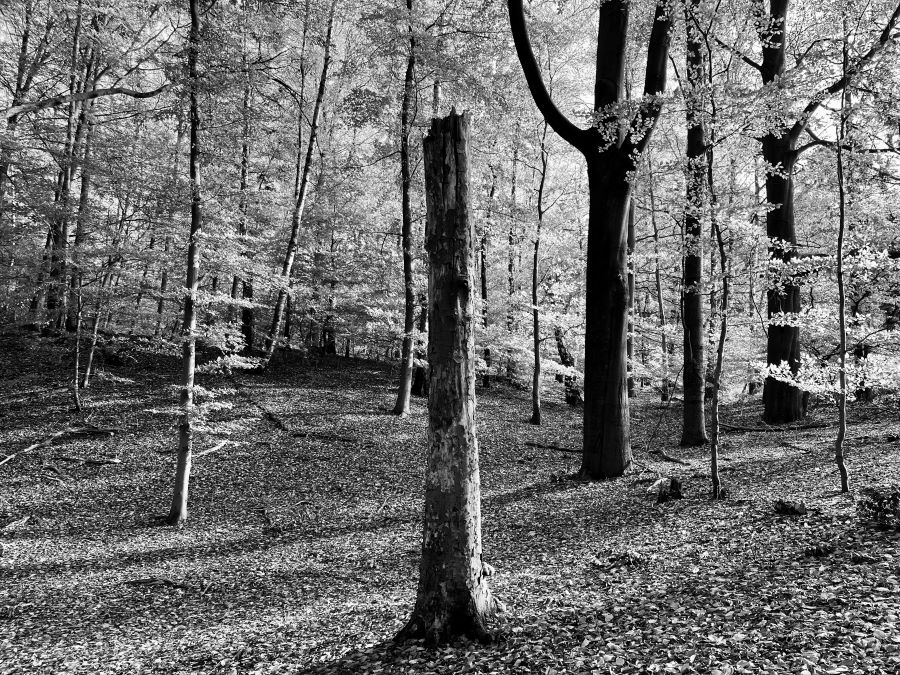
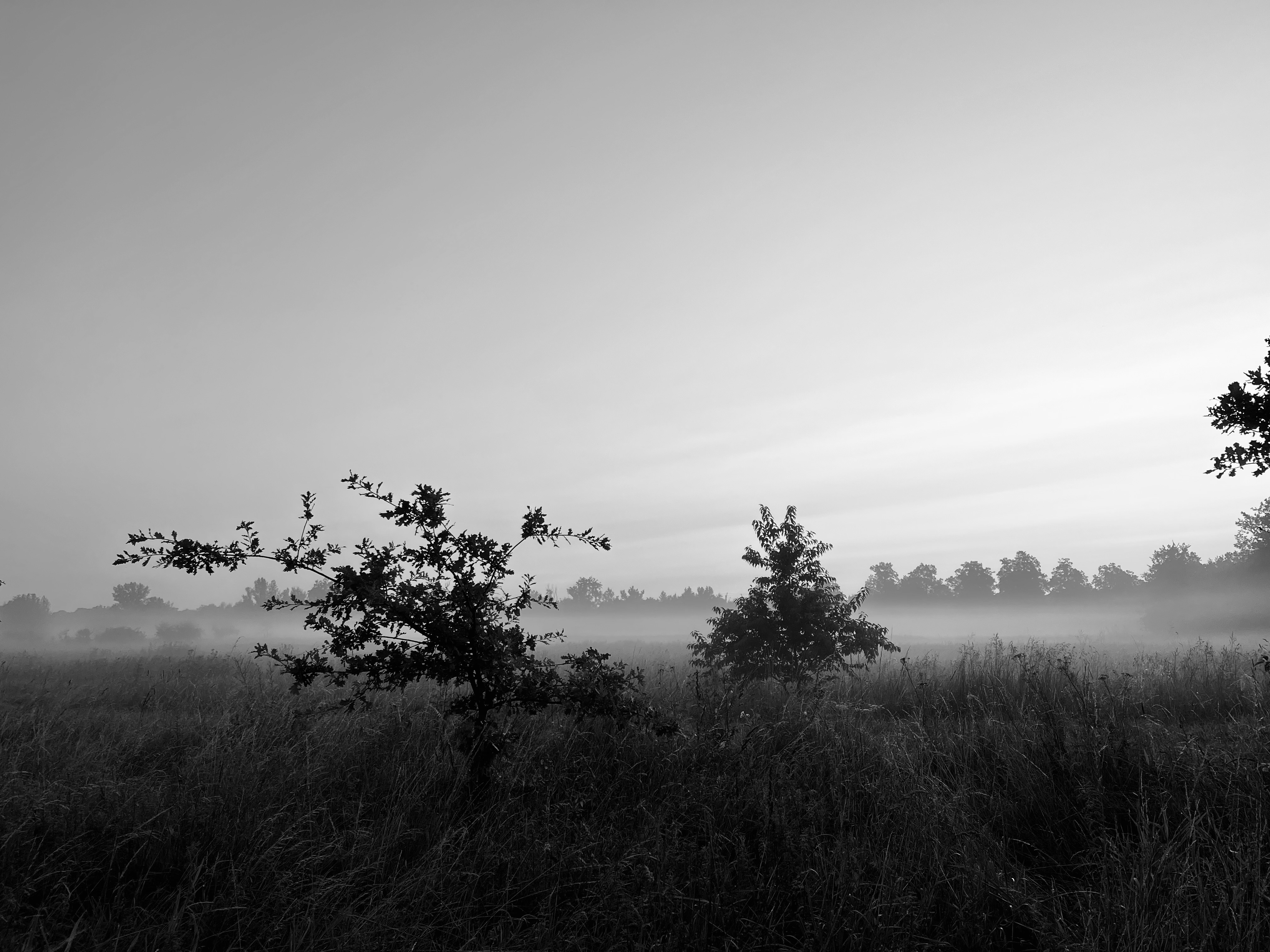
My run takes me out of the village and into the forest. The trees are a riot of colours, fading greens into glowing oranges, reds and yellows. The leaves that have already fallen crunch underfoot, frozen during a cold night. And where the path opens out, leading across the meadows, the frost on the ground reflects the light of a golden late autumn sun.
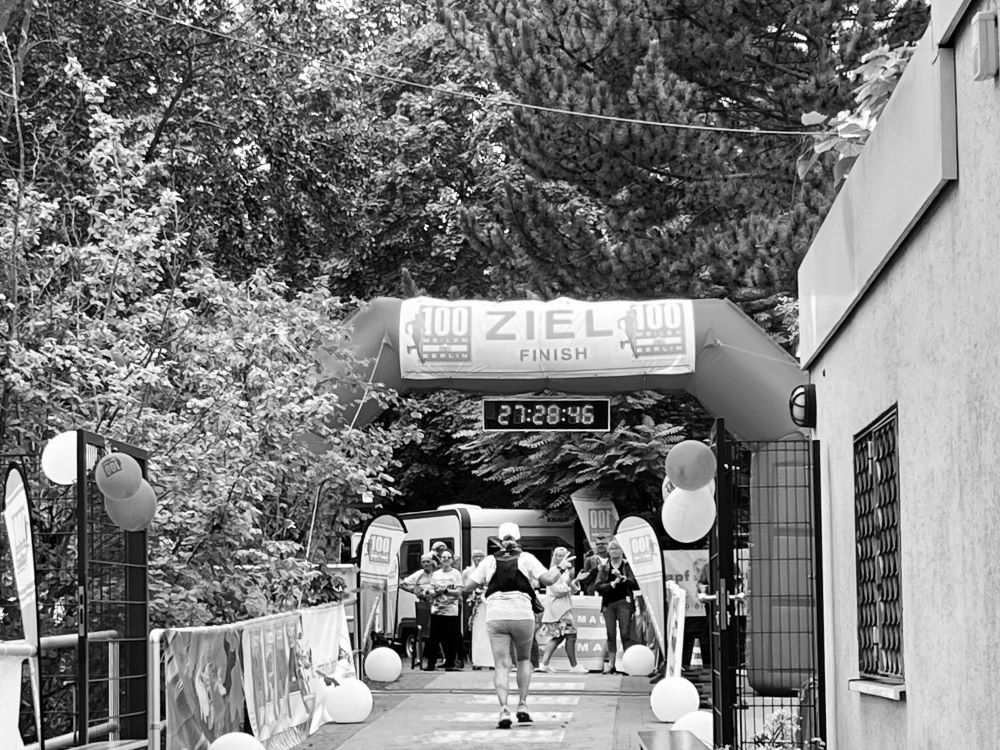
We have made a plan that we shall run next year around the route of the Berlin Wall. A hundred miles through and around the city. I did it before, with three friends, but our relay team will be bigger this time. We shall run in memory of all who lost their lives at the border, and all those whose lives were impacted by the brutal division of the city. But we will also run for our friends in Nepal, to raise money and awareness for the schools, health post and sanitary facilities built by the Pahar Trust in hard-to-reach communities in the mountains.
*
I have been thinking a lot about purpose these days, especially when I am running. About why we do what we do. Not necessarily in our work (but that too), but just in how we spend whatever time we have. After all, we only go this way once.
Back in Berlin and I run through the autumnal streets that always remind me of my first days in the city, 23 years and half a lifetime ago. I spent the first half of this year injured, and wasn’t really able to run at all, so just being outside lifts the spirits on the greyest of days. And yet the idea of working towards something, of running towards something, like the Berlin Wall Trail next August and using this adventure to spread the word of the amazing work the Pahar Trust Nepal does, even gives a sense of purpose to putting one front of the other.
Lots of things in the world seem pretty desperate right now. How do you make sense of, let alone find an active response to, the situation in Ukraine, in Gaza, in Sudan and Yemen and the places we don’t even know about or choose collectively to forget? The answer is that you can’t.
On an edition of the Adventure Diaries podcast I listen to an interview with Matt Pycroft. Matt is a filmmaker who also runs a podcast of his own. He speaks well about purpose, about finding the thing that you feel you can do, because although we can’t do everything, it doesn’t mean we can’t do something.
As Matt speaks and I run, I am taken back to a jeep in Nepal, bouncing in the back seat as we make our slow progress across the mountains and up the valley to Sikles, in the shadow of the Annapurna range. I was there with Alan, from the Pahar Trust Nepal, and we had spent the previous week visiting schools and health posts. In the back of the jeep we began a conversation that has continued for a year, usually in messages, and especially in the face of the challenges Nepal has recently been facing.
What can we do, when landslides made worse by the climate crisis wipe out in hours more schools than the Pahar Trust has built in 30 years? Countries like Nepal will bear the brunt of what is to come. Home from my run, I note down in my social media post that in the face of climate crisis, economic instability, earthquakes and flash floods and landslides, building a school or fitting out a classroom can feel like attempting to stop an approaching train with an outstretched hand.
And yet. And yet.
We focus on what we can do rather than what we can’t. There are cracks and there are problems all over. A safe school is a good start. An excellent start. It is something than many of us take for granted, and it is real, impactful and worth every ounce of energy. So that is what we will do. One foot in front of the other. One step at a time.
It feels like purpose to me.

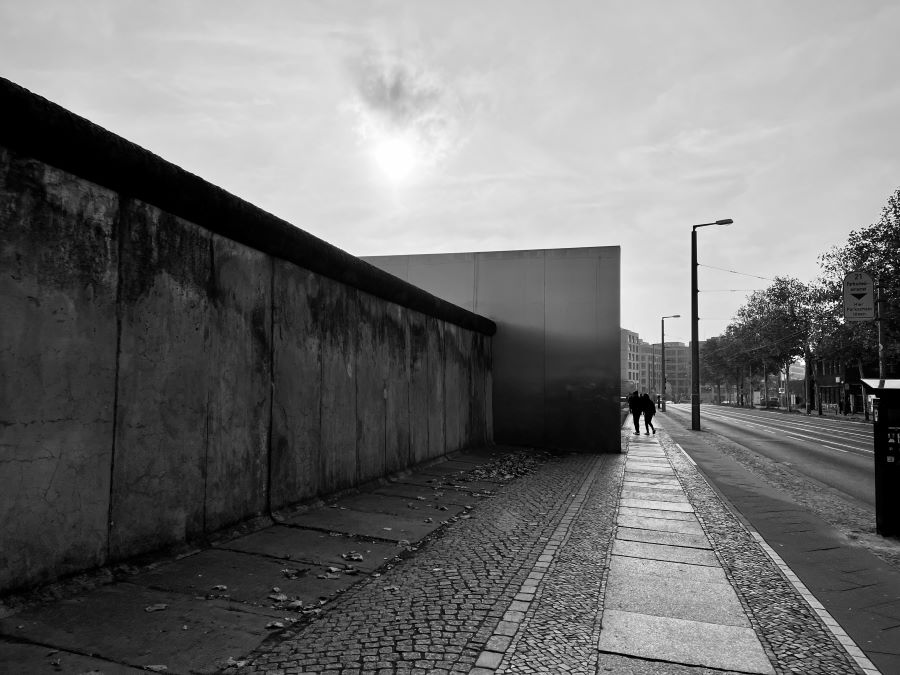
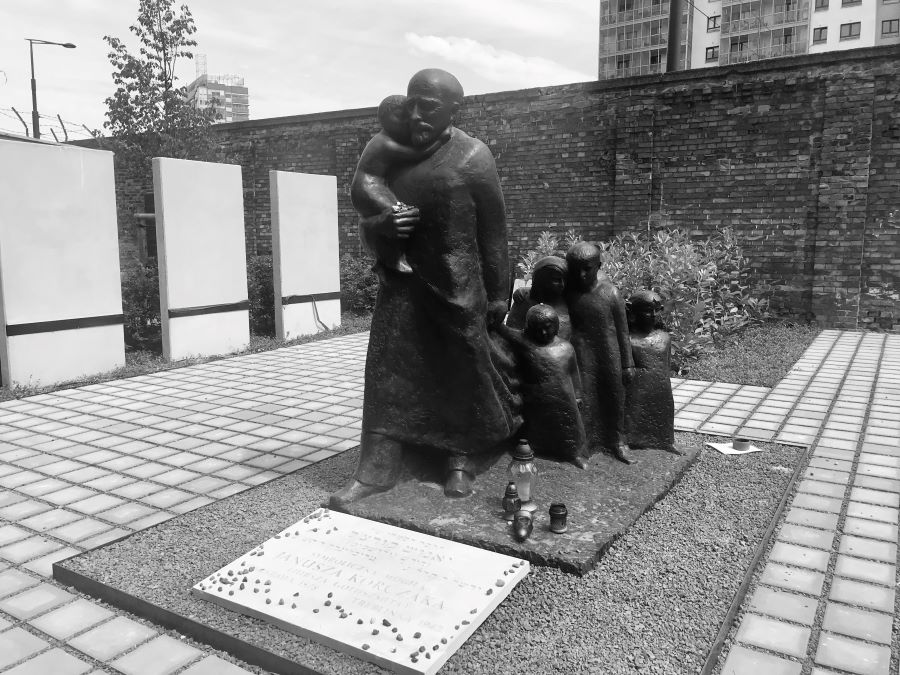
Outside the hotel I introduce myself to the guests and explain the importance of the day. We are walking a stretch of the Berlin Wall because it is the 35th anniversary of its fall. But the 9th November is more than just the Mauerfall. It is the day of the abdication of the Kaiser. Of the beer hall putsch. And of the pogroms against the Jews in 1938, when homes, synagogues and businesses were destroyed, and tens of thousands were arrested and imprisoned in concentration camps.
As we walk to Bernauer Straße, a number of the Stolpersteine or ‘stumbling stones’ that have been laid in the pavement outside the homes of victims of the Holocaust have been polished by those who live there now. A candle and a flower. A moment of remembrance and recognition.
*
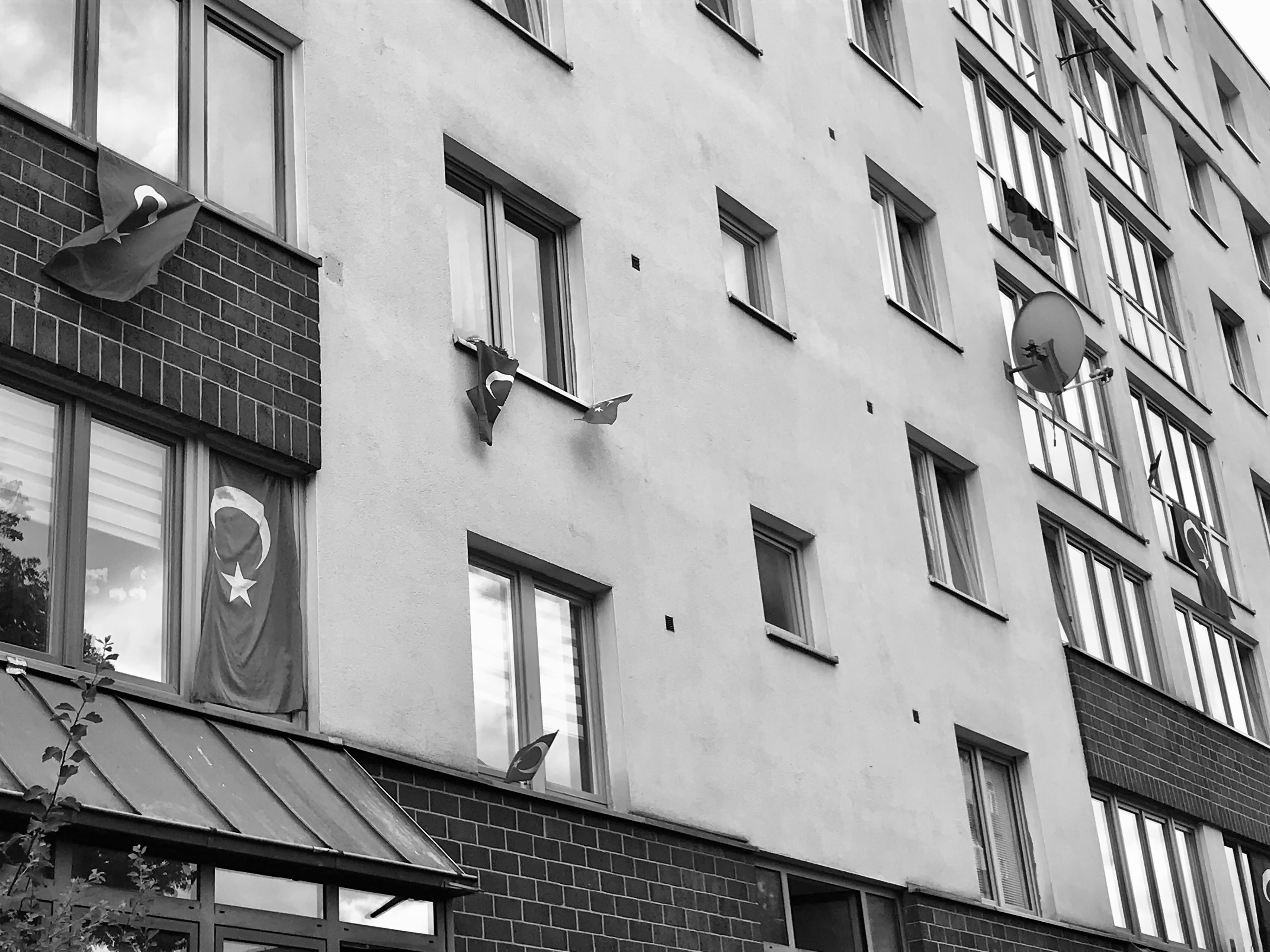
Some of the people I am walking with were not even born in 1989 and yet the legacy of the division can still be felt in the city. We feel it every day as we walk through Gesundbrunnen to Mitte, crossing Bernauer Straße. The architecture changes. The faces of the people on the street. The average cost of rent. Which kids are at which schools. At the same time, what remains of the Berlin Wall has been a memorial longer than it was ever a fortified border.
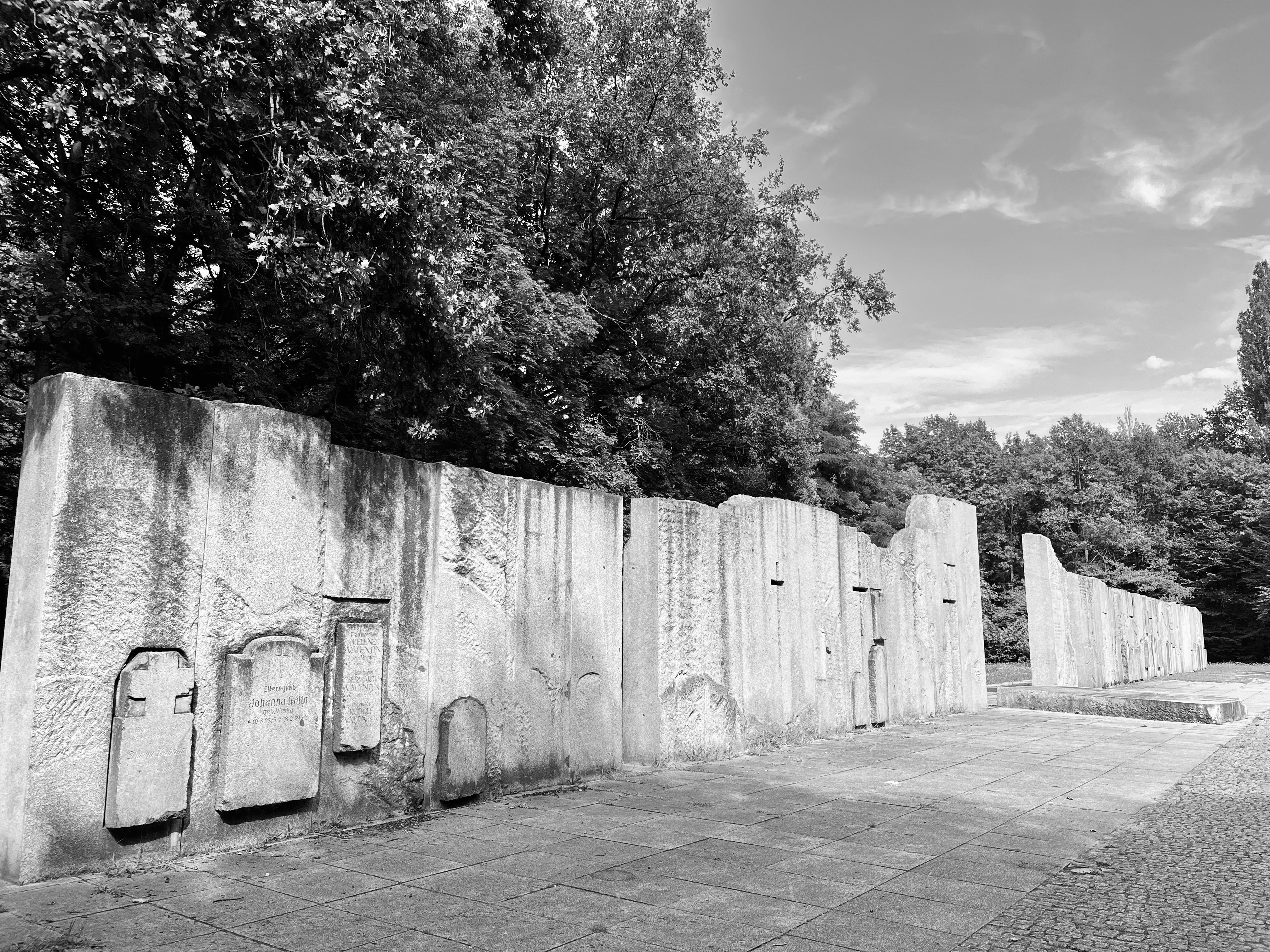
At the memorial, a band plays while a young woman – also too young to remember the Wall standing – sings an old protest song and the crowd clap politely along. There are flowers at the memorials to the victims of the Wall, but the atmosphere is positive, even if the anniversary of both the collapse of the GDR and reunification is considered with a little more nuance than the simple celebrations that marked previous landmark editions.
*
The registration for the Berlin Wall Trail Run opens at the exact moment Gunter Schabowski bungled his press conference and began the events that led to a gate being opened at the Bornholmer Straße checkpoint a few hours later. It is a neat touch from the organisers.
Reading Beyond the Wall, by Katja Hoyer.
While the majority of East Germans in 1988 neither wanted the state abolished nor dreamt of imminent reunification with the West, there was a discernible expectation that the GDR needed to modernize its politics. The inflexible structures of government and the lack of public discourse, transparency and accountability that came with them had long been at odds with the dizzying speed of social reform. The GDR was a highly literate, highly skilled and highly politicized society, confident and proud in its achievements and keen to move forward. It was fertile ground for the seeds of reform and democratization.
*
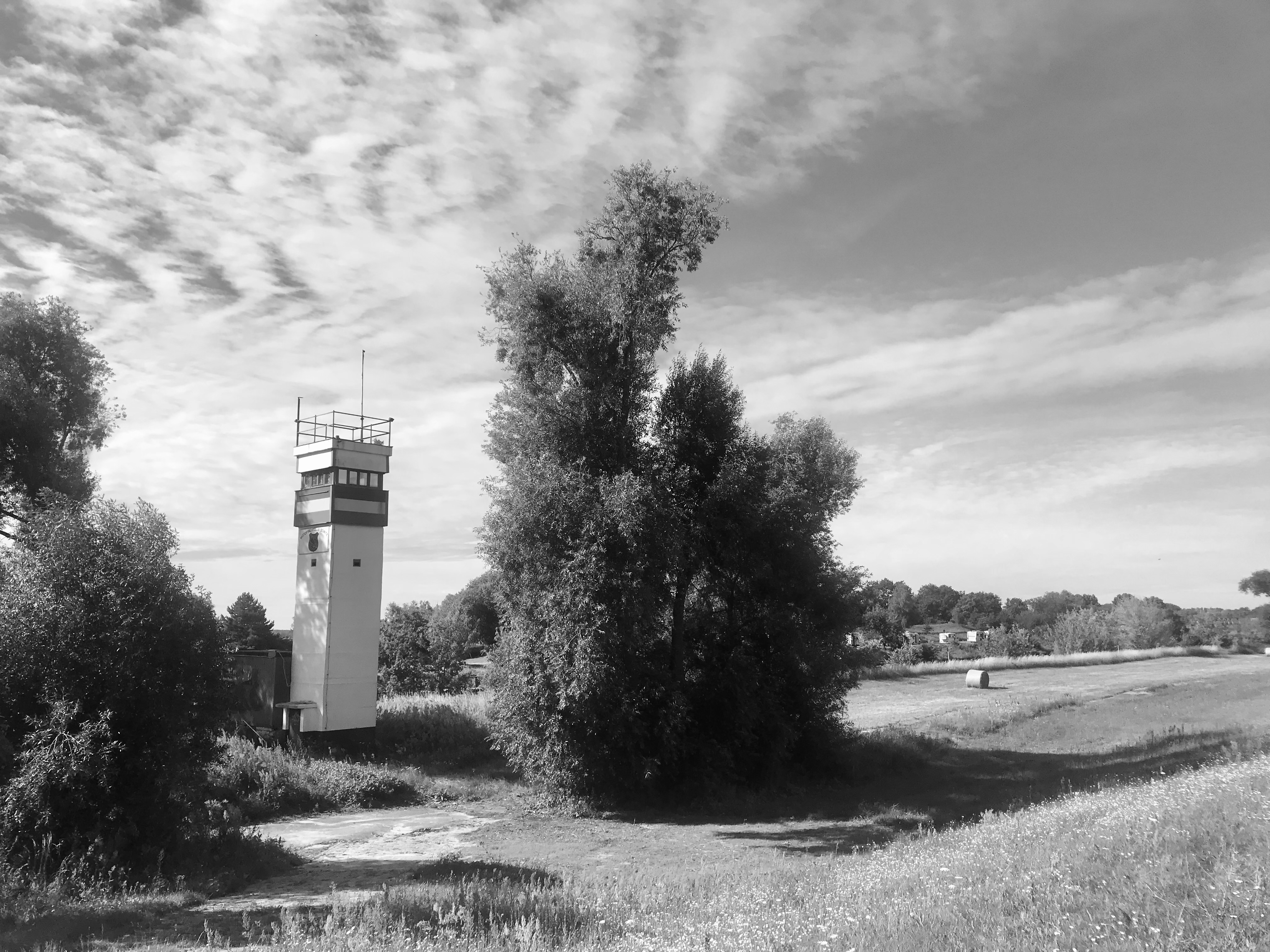
We walk from Wiesenburg to Arensnest, following a path through the forested low hills and glacial dry valleys to Schlamau, and then across the fields of the High Fläming heath. We walk to the sound of gunshots getting ever – and ever more disconcertedly – closer. We meet two people in high-vis gear, a man and a woman, and their friendly dog. They ask us which way we want to walk and our route meets with their approval.
‘If you were going west,’ the man says, ‘I would have told you it’s probably not such a good idea.’
Another crack of the shotgun sounds beyond the prickly hedgerow by the edge of the path.
The dog sniffs our bag.
We assure him that we are walking east, and hurry along. Another gunshot. A deer or a wild boar? The sky is grey and heavy and foreboding.
*
In Ziesar we spy what looks like a memorial out the back of the Bishop’s residence. From a distance, it looks like people have left candles and flowers and other fresh offerings. We cross the grass to see. Is it related to the anniversary of the Wall? A memorial for the lost Jewish community of the town? Soviet soldiers or their German counterparts?
It turns out to be simply the remnants of a happy evening in the park. Empty cans and wine bottles. Not everything is related to deep history. Sometimes, just the foggy memories of the long night before.

I am writing about the North Sea coast of Denmark. This stretch of coastline, from Skagen down to the mouth of the Elbe, just downstream from Hamburg, is a place I have visited at the height of summer and yet, in my memory, is always windswept and reaching the end of summer. The waves and the wind eat away at the coastline, swallowing houses and villages, creating new islands with storm surges and redrawing the map at the cost of lives and livelihoods.
In the piece, I quote Dorthe Nors from A Line in the World about a year (and a lifetime) of living on this coastline.
The people who developed the historical building practices along this line knew they weren’t living on a western coast. They were living on an eastern one: the eastern coast of the North Sea […] The North Sea is a nation without a capital, but with its own powerful identity. At the transition between sea and earth, its vast energy has nowhere to go and surges deep into the land […].
*
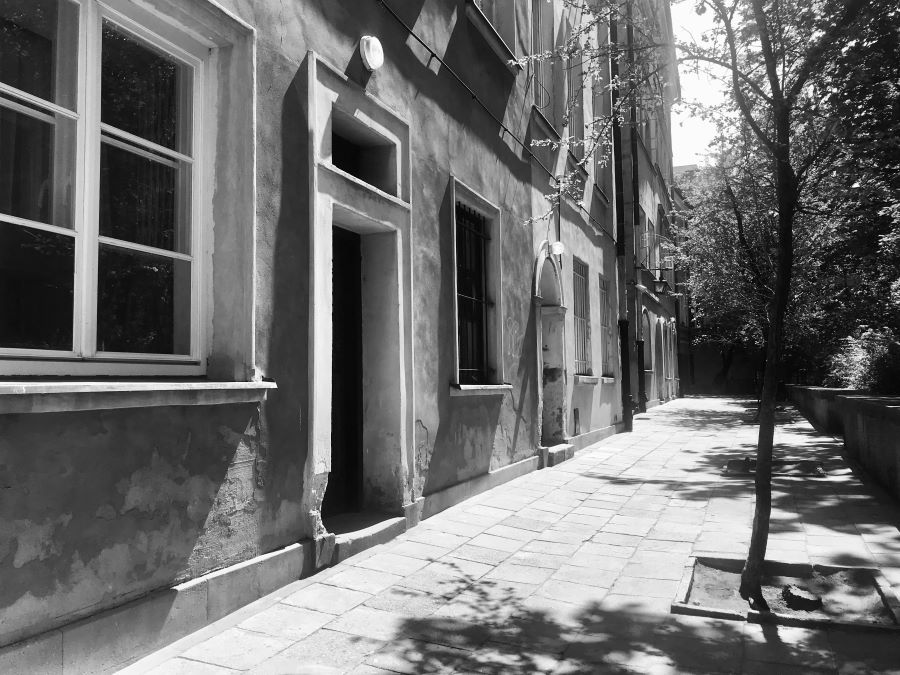
Christmas lights are starting to appear on balconies and window displays. I take a walk through the city, a thirteen-kilometre drift from Gesundbrunnen to Steglitz. When I first moved to Berlin I lived near the Botanical Gardens, and Schloßstraße was my shopping street. I registered my address and got my social insurance number at the huge tower block that is currently being renovated. I opened my first German bank account on the corner by the square. It is a place that reminds of early days, when this still felt like a foreign country, and to return there is to access some of those first feelings.
It is a place of waiting on the night bus for the driver to smoke a cigarette before he continued the journey. It is dark mornings on the S-Bahn platform, waiting in the snow. It is Christopher Isherwood and Die Ärzte, textbooks from the Goethe Institut and the roast chicken stand in the supermarket car park on a Wednesday afternoon. It is falling in love but having to wait and it is making a decision about whether the experiment has come to an end or if it should continue a little longer.
I walked Schloßstraße that day too. Another six months, to be spent in Prenzlauer Berg, on the other side of the city. The experiment would continue. Half my life, and it feels like yesterday.

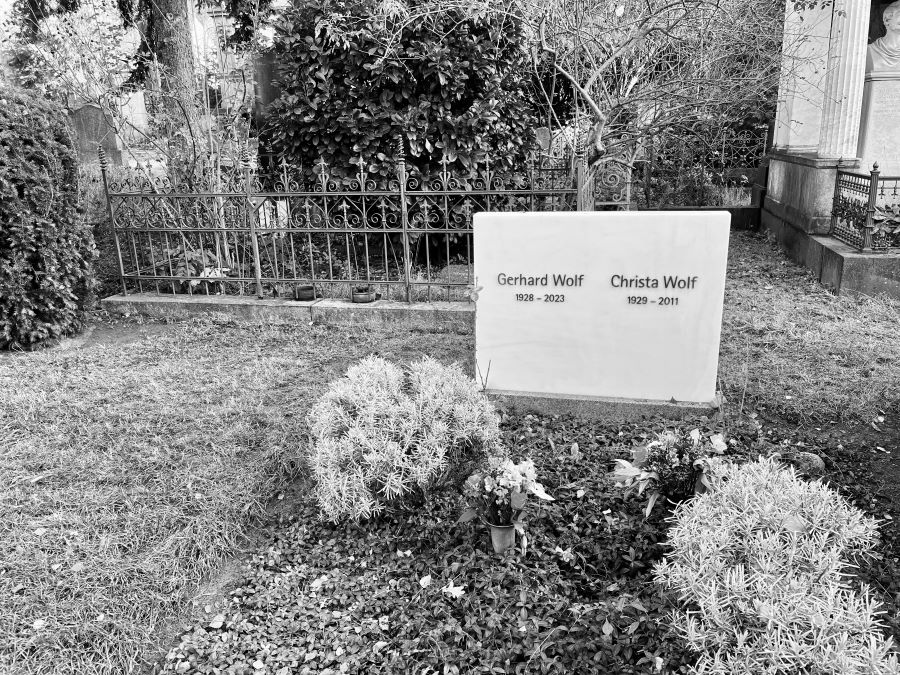
The morning after we launch A Dream of White Horses at Curious Fox in Kreuzberg, I walk with my friend Matt through more cityscapes of memory. We pass by old apartments and stomping grounds. Where Katrin was born and where Lotte went to kindergarten and school. We stop by the Dorotheenstadt cemetery to say hello to Brecht and Heinrich Mann, and to see the grave of Christa Wolf.
The last time I was here, the elegant white headstone had been removed. They were adding the name of her husband Gerhard, who died last year having outlived his wife by twelve years. In this month of the anniversary of the fall of the Berlin Wall, when I get home I find my copy of They Divided the Sky, translated into English by Luise von Flotow.
In the past, lovers who had to separate would look for a star where their gaze might meet in the evenings. What can we look for?
‘At least they can’t divide the sky,’ Manfred said in a mocking tone.
The sky? This enormous vault of hope and yearning, love and sorrow?
‘Yes, they can,’ she said, ‘The sky is what divides first of all.’
Words & Pictures: Paul Scraton
You can find out more about the Pahar Trust Nepal and the wonderful work that is done to help hard-to-reach communities in Nepal by visiting their website.





























 Under a Grey Sky